

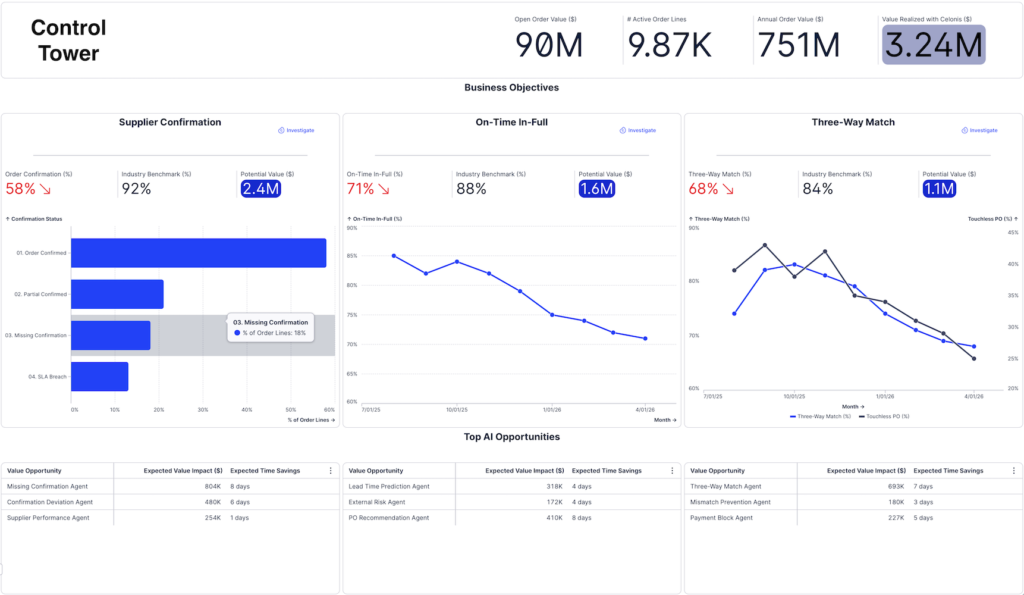

When organizations look for ways to reduce procurement costs, they often focus on suppliers, contracts, or negotiated pricing. Yet some of the most significant costs are hidden elsewhere: within the procurement process itself.
Inefficient processes create delays, rework, non-compliant purchases, and administrative effort that often go unnoticed. Here are seven warning signs worth paying attention to.
1. Urgent Requests Have Become the Norm
When a large portion of purchases are treated as urgent, the issue is rarely the supplier. More often, it points to limited visibility, poor planning, or a process that takes too long to complete.
2. Approvals Take Longer Than the Purchase Itself
Requests that sit in approval queues for days—or even weeks—create delays, frustrate stakeholders, and often encourage people to bypass established procedures.
3. Maverick Spending Is More Common Than You Think
Even when preferred suppliers and negotiated contracts are in place, employees may still find alternative ways to purchase goods and services. Every off-contract purchase represents lost savings and reduced compliance.
4. Your Team Spends Too Much Time Chasing Information
How many hours are spent each week following up on approvals, checking order status, or resolving exceptions? That time could be invested in supplier management, strategic sourcing, or value-generating activities.
5. Invoices Frequently Get Stuck in the Process
Mismatches between purchase orders, receipts, and invoices often lead to payment delays, supplier dissatisfaction, and increased administrative workload.
6. You Lack Visibility Into Actual Cycle Times
If you cannot quickly answer the question, “How long does it take to complete a purchase?”, identifying bottlenecks and improvement opportunities becomes extremely difficult.
7. Problems Are Discovered Only After They Become Critical
Organizations that rely primarily on static reports or manual escalations often identify issues too late. By the time a problem becomes visible, its impact has already been felt.
What These Signs Have in Common
Most of these challenges are not caused by people. They are the result of processes that have evolved over time without being properly measured, monitored, or optimized.
Leading organizations are no longer satisfied with simply managing procurement activities. They leverage the data generated by their systems to understand how processes actually operate, uncover inefficiencies, and drive continuous improvement.
At P&S, we help organizations achieve this visibility by combining process analysis, data-driven insights, and process mining to reveal improvement opportunities that traditional reporting often misses.
Because before you can improve a process, you need to understand how it truly works.